




Discovery & Product Strategy
We map business goals, users, integrations, and monetization before mobile app development begins, so every release has a clear product reason.

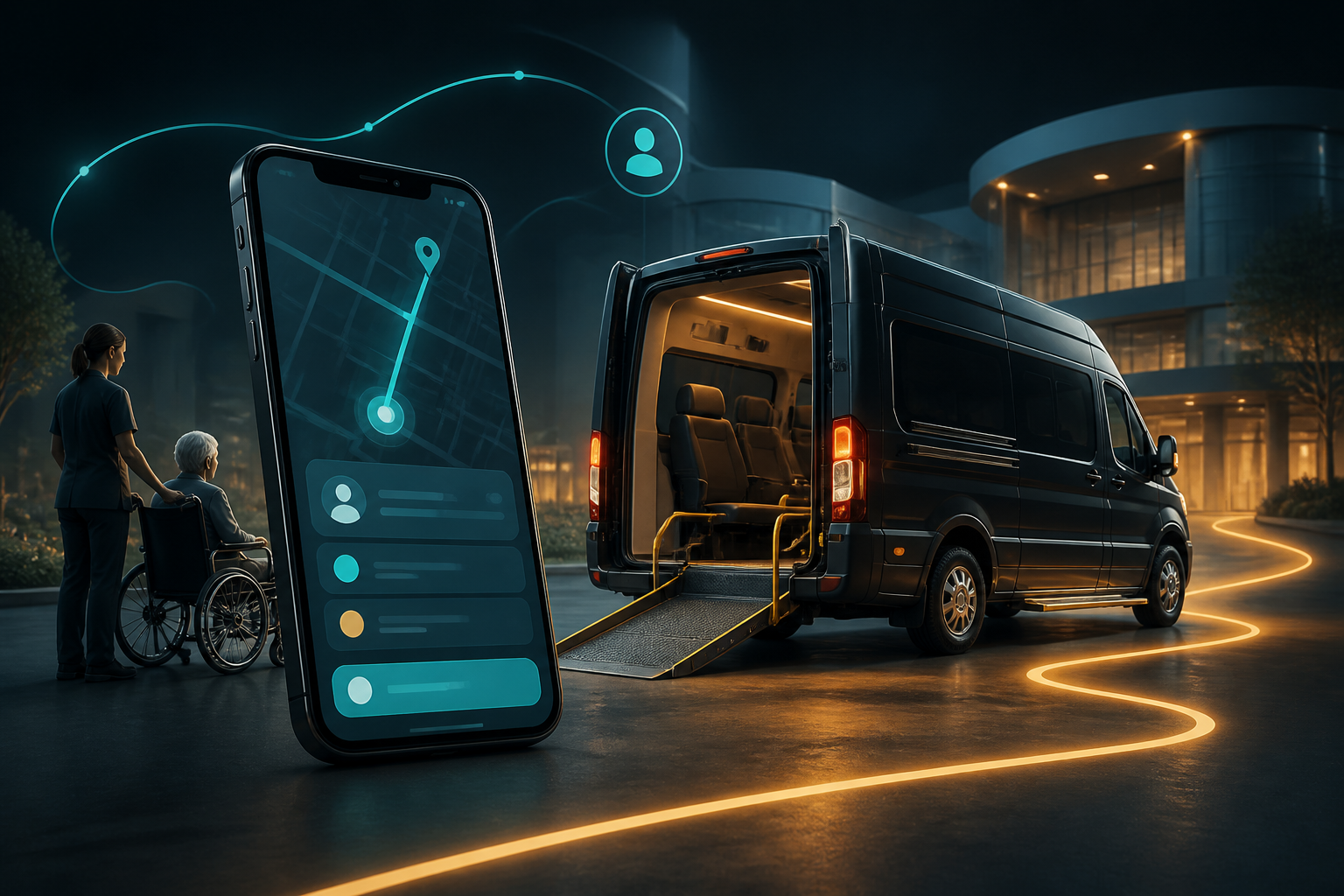
Uber clone app development only creates value when it becomes your own transport product, not a renamed interface. We start from the business model beneath the familiar rider and driver flows, then shape booking, dispatch, pricing, support, and geography around what your market actually needs.
Many teams search for an uber clone app, bolt clone app, or app similar to uber because they want proven mobility patterns. The important work is deciding what to borrow, what to change, and what your operations can sustain. We treat that product strategy as part of engineering, not something left unresolved until launch week.
This service suits founders entering ride hailing, transport brands replacing generic scripts, and operators who want the speed of a known model without the long-term cost of shallow clone software.
PLAN UBER CLONE APP DEVELOPMENT
Share your target city, service model, rider expectations, and the features you think you need from an Uber-like product. We will turn that into a practical roadmap rather than a copy-and-paste build.
Discuss Uber clone appClients compare Metatech Official as a mobile app development company, a mobile app development agency, and a partner for custom app development across growth-focused products.
A practical delivery model for mobile app development, from idea validation to post-launch improvement.
We map business goals, users, integrations, and monetization before mobile app development begins, so every release has a clear product reason.
Our product team turns ideas into journeys, screens, and acceptance criteria for custom mobile app development that feels simple to use and realistic to build.
Interactive prototypes help founders review the experience early, align stakeholders, and prepare a confident path for ios app development and android app development.
Dedicated mobile app developers in pakistan build secure features in sprints with clean code, version control, API discipline, and transparent progress reviews.
We test performance, accessibility, device behavior, backend reliability, and release requirements before the app reaches customers.
After launch, our mobile app development in pakistan team tracks usage, fixes friction, and improves features so the product keeps earning user trust.
We design the booking experience around the familiar patterns users expect while adapting details to your geography, pricing, and service model.
Driver apps cover offer logic, trip states, navigation hand-off, earnings, and operational issue reporting in a way your team can actually run.
The product supports ride assignment, service zones, priority rules, and queue behavior tuned to your launch and expansion plan.
Quoted fares, surge rules, saved payments, credits, refunds, and receipts are designed for both customer clarity and operator control.
Trip sharing, reporting, support flows, and rating signals help the product feel trustworthy without creating unusable friction.
Dashboards reveal booking conversion, supply balance, cancellations, retention, and the operational impact of your product decisions.
We choose technology around product goals, not trends. Whether you need to hire app developer support or a full squad, our stack supports fast releases, secure APIs, custom app development, and long-term scale.
Talk to App Experts iOS
iOS Android
 React Native
 JavaScript
 TypeScript
 HTML
HTML CSS
CSS Flutter
 Swift
Swift Kotlin
 Node.js
 Firebase
 AWS
AWS Laravel
 MongoDB
 PostgreSQL
Each phase turns “build Uber-like functionality” into a more useful question: which mobility patterns fit your market and which should be different?
Review the local service context, operator constraints, pricing assumptions, and what users actually expect from a familiar ride-hailing product.
Test rider booking, driver flows, pricing, support, and trust states before engineering decisions become expensive.
Deliver rider, driver, dispatch, and payment capabilities in increments with technical and operational acceptance evidence.
Launch with monitoring, then refine supply, product positioning, and customer retention using real operational data.
Metatech Official approaches Uber clone app development as serious mobile app development for transport businesses, not as generic script deployment. As a mobile app development company, we provide mobile app development services for rider products, driver tools, and dispatch platforms. Our mobile app development in Pakistan team gives clients direct access to mobile app developers in Pakistan for custom app development, custom mobile app development, iOS app development, and mobile app development agency support when they want to hire app developer capacity.
Many teams search for an uber clone app, bolt clone app, or app similar to uber because they want proven mobility patterns. The important work is deciding what to borrow, what to change, and what your operations can sustain. We treat that product strategy as part of engineering, not something left unresolved until launch week.
This service suits founders entering ride hailing, transport brands replacing generic scripts, and operators who want the speed of a known model without the long-term cost of shallow clone software.

“They challenged our assumption that an Uber clone meant copying everything. That made the final product much more credible for our actual market.”
Ethan Rowe
Founder, Ride Platform Technology“The team separated the familiar rider expectations we did need from the expensive baggage we did not need in the first release.”
Mehwish Yasin
Founder, Ride Platform Technology“Our launch plan felt more like a real mobility product strategy and less like a script installation project.”
Noah Miles
Founder, Ride Platform Technology“Metatech made pricing, dispatch, and driver incentives visible as business decisions, not just engineering tasks.”
Aiman Butt
Founder, Ride Platform Technology“We appreciated how clearly they explained what an Uber-like platform really requires once operations and support are considered.”
Omar Blake
Founder, Ride Platform Technology“After launch, the reporting showed us which of our differentiation bets were working and which needed refinement.”
Talia Jafri
Founder, Ride Platform TechnologyAs a mobile app development company, we connect strategy, design, engineering, and support so founders can move from idea to launch with fewer surprises.
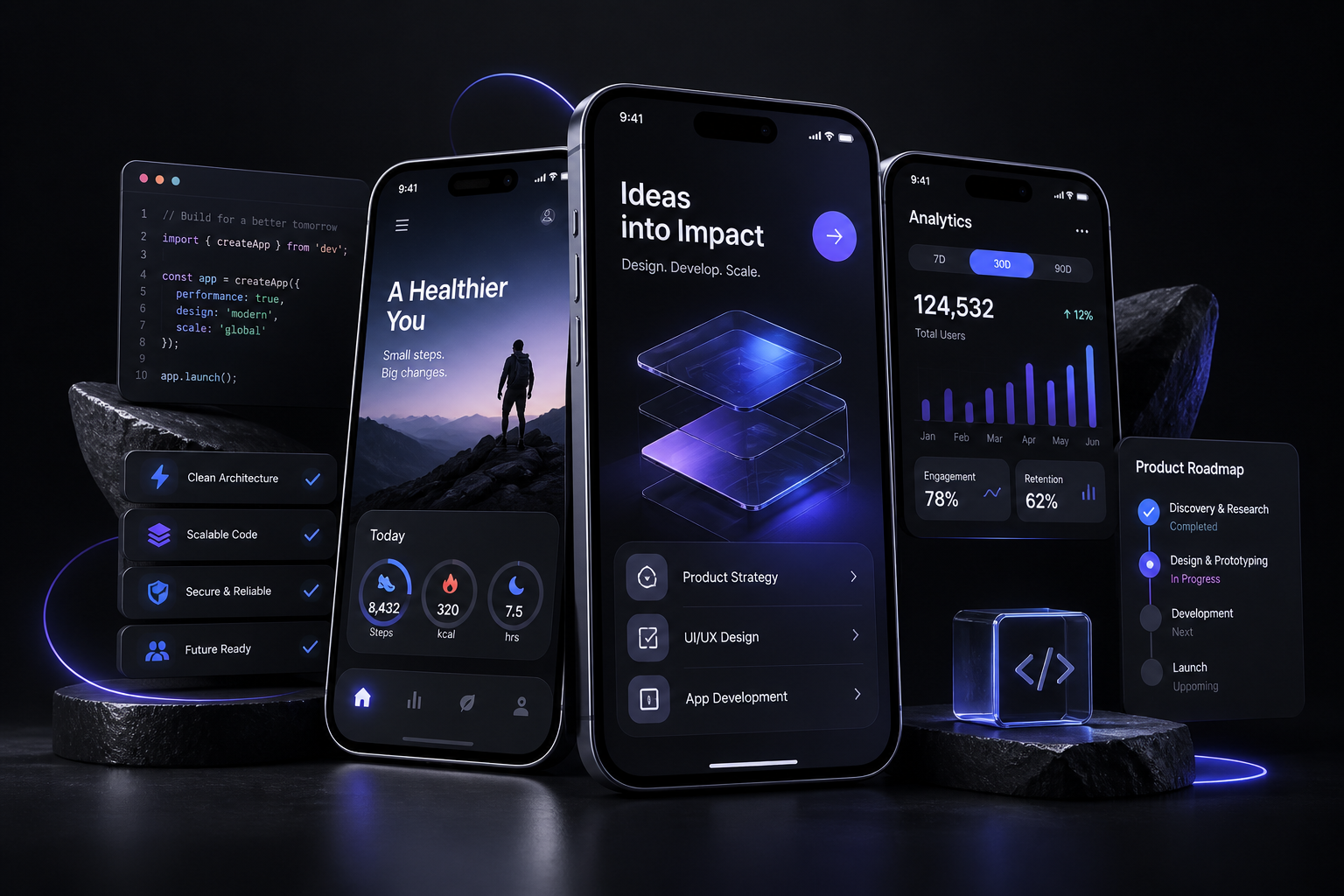
Our mobile app developers in pakistan bring product thinking, UI design, backend engineering, QA, and release experience together for dependable mobile app development services.
You see priorities, sprint progress, risks, and decisions clearly, whether the roadmap is a focused MVP or a larger custom mobile app development program.
Every flow is shaped around real users, so mobile app development in pakistan can still meet international usability, accessibility, and conversion expectations.
We build with clean architecture, secure integrations, performance testing, and maintainable code across ios app development and android app development.
You can hire app developer talent for a specific roadmap, or work with a complete mobile app development agency from discovery through support.
Practical answers about turning an Uber-like concept into a market-specific mobility product.
Compare focused product models within taxi app development, each planned around its users, workflows, integrations, controls, and operating evidence.
Explore focused mobile products designed around the workflows, integrations, trust requirements, and growth model of your industry.