




Discovery & Product Strategy
We map business goals, users, integrations, and monetization before mobile app development begins, so every release has a clear product reason.
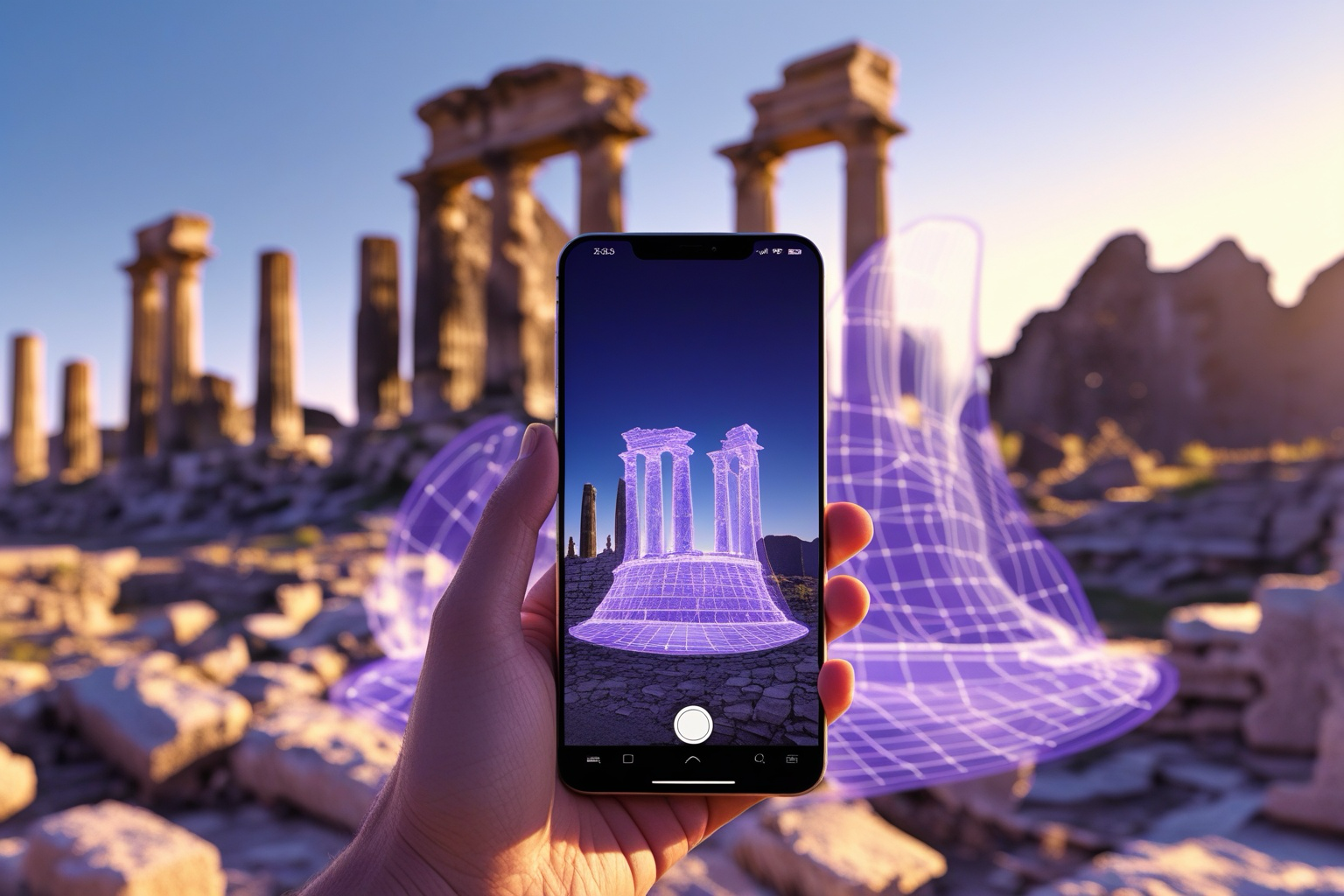
A tourism app has to work at a ruin with no signal and still read clearly in bright outdoor light. We plan landmark recognition, historical overlays, offline map caching, and multilingual point-of-interest content so travelers get context in the moment instead of a slow-loading brochure page.
Product quality depends on the alignment between offline maps for low-connectivity heritage sites, museum, guide, and destination-partner content management, and accessibility and self-guided tour pacing. We use domain reviews and scenario-based QA to verify that the application remains understandable when data is late, incomplete, or disputed.
This focused service helps retailers, architecture and construction firms, automotive brands, tourism and heritage organizations, schools and education teams, interior and furniture brands, fitness and wellness studios, and enterprise teams evaluating immersive visualization coordinate around visitor engagement and route-completion analytics. The same roadmap makes rendering performance, device compatibility, spatial tracking accuracy, and measurable engagement or conversion outcomes explicit enough to manage before and after launch.
Plan AR Tourism App Development
Bring us the product goal, target users, current systems, timeline, and known concerns around accessibility and self-guided tour pacing. We will translate that context into a practical decision path for AR Tourism App.
Discuss AR tourism appClients compare Metatech Official as a mobile app development company, a mobile app development agency, and a partner for custom app development across growth-focused products.
A practical delivery model for mobile app development, from idea validation to post-launch improvement.
We map business goals, users, integrations, and monetization before mobile app development begins, so every release has a clear product reason.
Our product team turns ideas into journeys, screens, and acceptance criteria for custom mobile app development that feels simple to use and realistic to build.
Interactive prototypes help founders review the experience early, align stakeholders, and prepare a confident path for ios app development and android app development.
Dedicated mobile app developers in pakistan build secure features in sprints with clean code, version control, API discipline, and transparent progress reviews.
We test performance, accessibility, device behavior, backend reliability, and release requirements before the app reaches customers.
After launch, our mobile app development in pakistan team tracks usage, fixes friction, and improves features so the product keeps earning user trust.
We research and prototype landmark recognition and historical reconstruction overlays so the main journey, content, edge cases, and acceptance criteria are understood before build decisions harden.
Operators receive reviewable workflows for multilingual points-of-interest and wayfinding content, including the states and tools needed to support the product after release.
The architecture connects offline maps for low-connectivity heritage sites with the right APIs, data contracts, identity rules, and ownership boundaries without hiding failure states.
Controls for museum, guide, and destination-partner content management cover permissions, validation, audit evidence, accessibility, and practical recovery behavior.
Useful events and operational signals make accessibility and self-guided tour pacing measurable without reducing product quality to vanity reporting.
Dashboards and review routines turn visitor engagement and route-completion analytics into evidence that product and operations teams can use to prioritize improvements.
We choose technology around product goals, not trends. Whether you need to hire app developer support or a full squad, our stack supports fast releases, secure APIs, custom app development, and long-term scale.
Talk to App Experts iOS
iOS Android
 React Native
 JavaScript
 TypeScript
 HTML
HTML CSS
CSS Flutter
 Swift
Swift Kotlin
 Node.js
 Firebase
 AWS
AWS Laravel
 MongoDB
 PostgreSQL
Each phase turns assumptions about landmark recognition and historical reconstruction overlays into evidence the product, engineering, QA, and operations teams can inspect.
Interview users and operators, review current evidence, and define the business and user decisions behind landmark recognition and historical reconstruction overlays.
Test the critical states, content, accessibility, and exception paths required for multilingual points-of-interest and wayfinding content before engineering begins.
Deliver offline maps for low-connectivity heritage sites in reviewable increments with integration checks, device QA, security work, and explicit acceptance evidence.
Launch with monitoring and support ownership, then use visitor engagement and route-completion analytics to prioritize the next responsible product change.
Metatech Official approaches ar tourism app development as accountable mobile app development, not a collection of disconnected screens. As a mobile app development company, we combine product discovery with mobile app development services that cover landmark recognition and historical reconstruction overlays and multilingual points-of-interest and wayfinding content. Our mobile app development in Pakistan practice gives clients direct access to mobile app developers in Pakistan. Teams can hire app developer capacity for a defined release or choose custom app development for a wider roadmap. That includes custom mobile app development, Android delivery, iOS app development, and the ongoing support expected from a responsible mobile app development agency.
Product quality depends on the alignment between offline maps for low-connectivity heritage sites, museum, guide, and destination-partner content management, and accessibility and self-guided tour pacing. We use domain reviews and scenario-based QA to verify that the application remains understandable when data is late, incomplete, or disputed.
This focused service helps retailers, architecture and construction firms, automotive brands, tourism and heritage organizations, schools and education teams, interior and furniture brands, fitness and wellness studios, and enterprise teams evaluating immersive visualization coordinate around visitor engagement and route-completion analytics. The same roadmap makes rendering performance, device compatibility, spatial tracking accuracy, and measurable engagement or conversion outcomes explicit enough to manage before and after launch.
“The discovery work exposed decisions around landmark recognition and historical reconstruction overlays that our team had been treating as assumptions. We entered development with a much stronger product brief.”
Isla Bennett
Founder, Augmented Reality Technology“Metatech connected offline maps for low-connectivity heritage sites with museum, guide, and destination-partner content management instead of designing them as separate features. That made the operating model far easier to manage.”
Mason Foster
Founder, Augmented Reality Technology“The team gave us practical measures for visitor engagement and route-completion analytics and a release process our founders, operators, and engineers could review together.”
Freya Hayes
Founder, Augmented Reality Technology“We finally had one accountable view of multilingual points-of-interest and wayfinding content instead of separate assumptions across design, engineering, and operations.”
Adrian Mercer
Founder, Augmented Reality Technology“The prototypes made the risks around accessibility and self-guided tour pacing concrete enough for our stakeholders to resolve before launch.”
Chloe Quinn
Founder, Augmented Reality Technology“After release, the monitoring plan for visitor engagement and route-completion analytics helped us distinguish urgent defects from sensible product improvements.”
Finn Sterling
Founder, Augmented Reality TechnologyAs a mobile app development company, we connect strategy, design, engineering, and support so founders can move from idea to launch with fewer surprises.
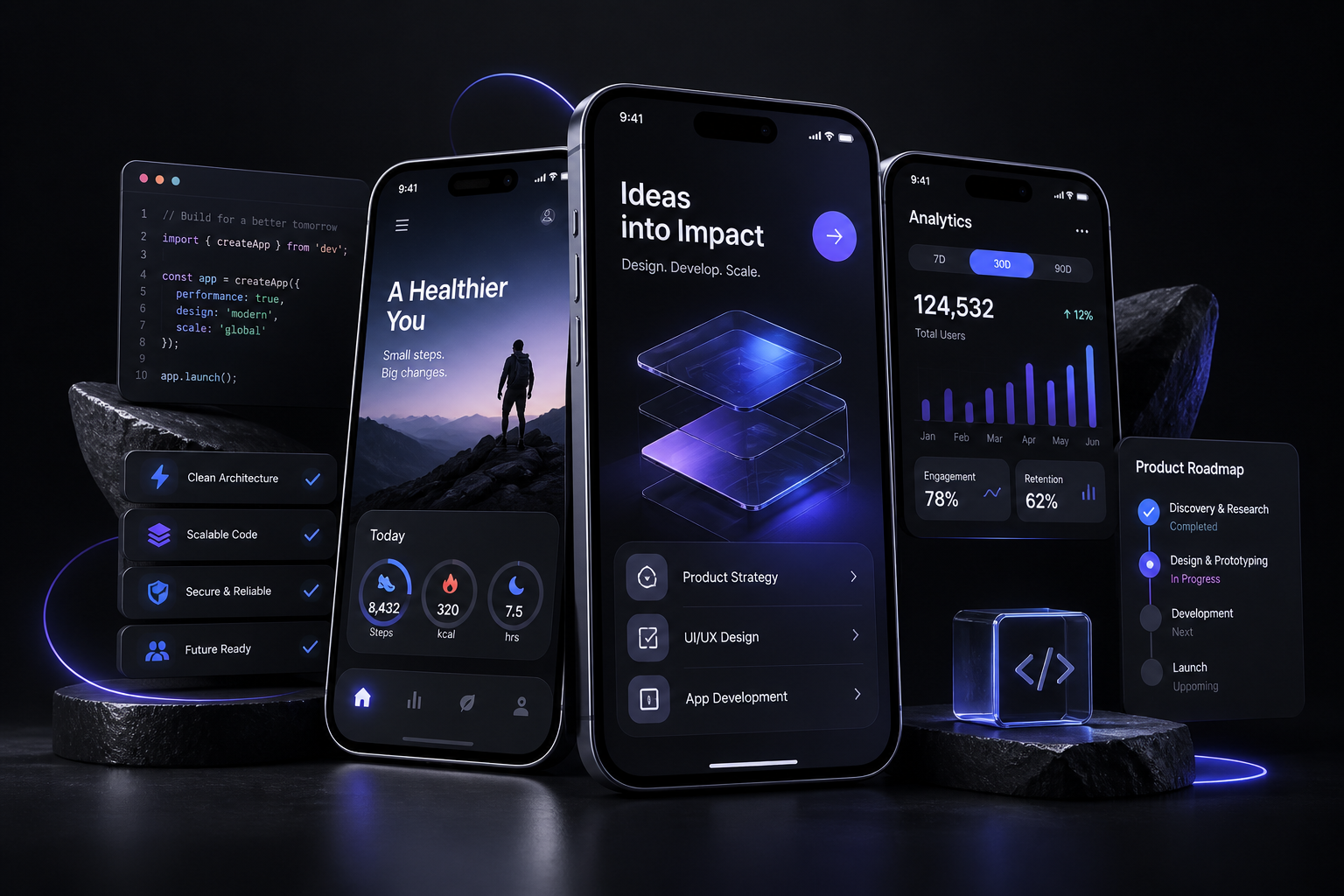
Our mobile app developers in pakistan bring product thinking, UI design, backend engineering, QA, and release experience together for dependable mobile app development services.
You see priorities, sprint progress, risks, and decisions clearly, whether the roadmap is a focused MVP or a larger custom mobile app development program.
Every flow is shaped around real users, so mobile app development in pakistan can still meet international usability, accessibility, and conversion expectations.
We build with clean architecture, secure integrations, performance testing, and maintainable code across ios app development and android app development.
You can hire app developer talent for a specific roadmap, or work with a complete mobile app development agency from discovery through support.
Practical answers about scoping, building, launching, and supporting AR Tourism App, with particular attention to accessibility and self-guided tour pacing.
Explore adjacent augmented reality app development models and compare how their users, operating controls, integrations, and success measures differ from AR Tourism App.
Review other specialist app-development models when landmark recognition and historical reconstruction overlays must connect with a broader platform, customer journey, or operational ecosystem.